
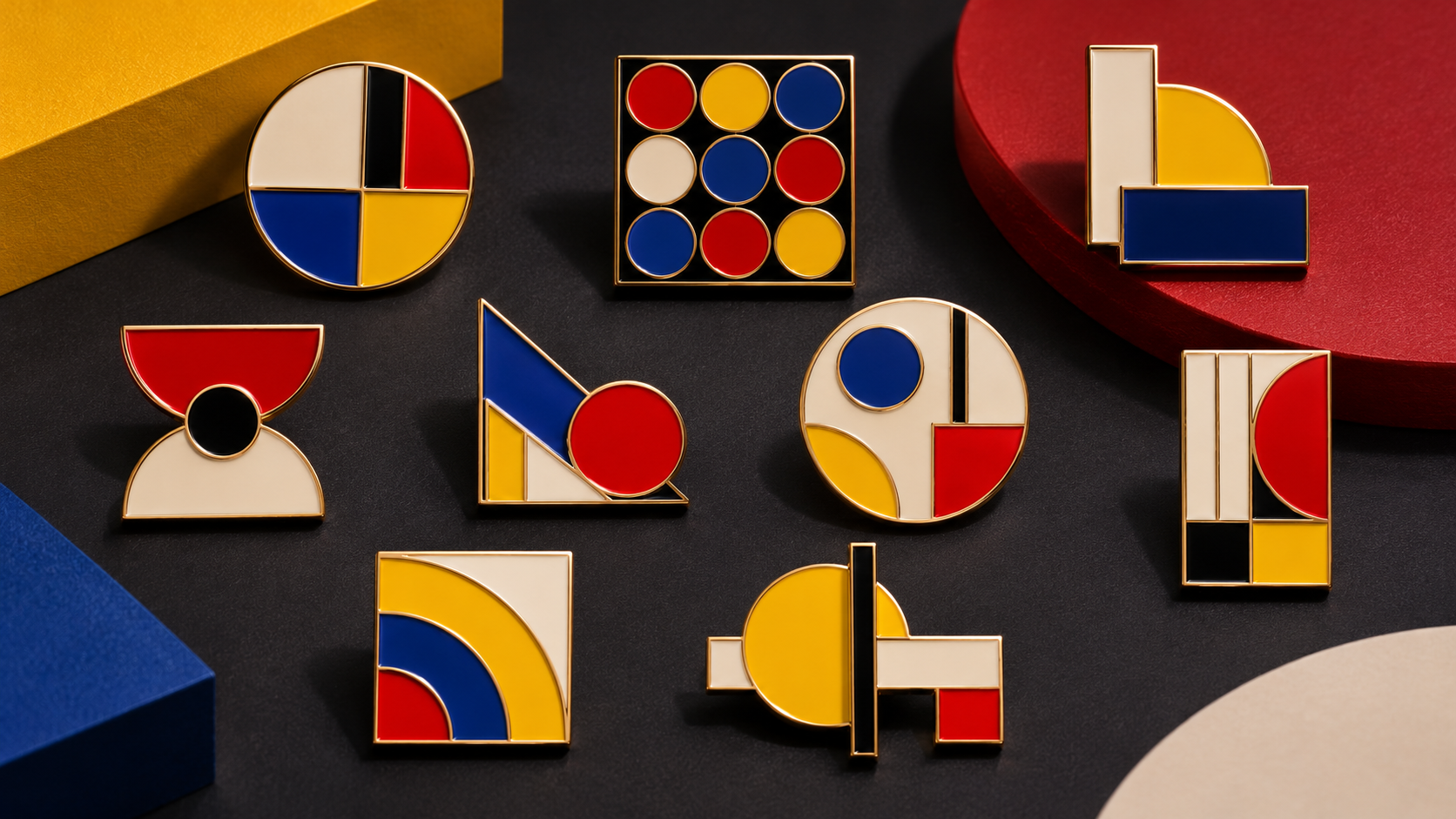
Employee anniversaries are easy to reduce to an automated message and a generic gift. That misses the strategic opportunity. A well-designed anniversary object can turn tenure into a visible part of a company’s culture, while giving the brand a physical form that people choose to keep.
The strongest systems do more than print a logo on merchandise. They create a visual language that can expand over time: a consistent geometry, a controlled palette, a set of symbols and a clear relationship between each milestone. The result feels collected rather than distributed.
Why an object can carry more meaning than a message
Digital recognition is immediate but temporary. A physical object occupies space, invites touch and can accumulate personal associations. When it is distinctive enough to display, it becomes a recurring reminder of the relationship between an employee and the organisation.
That does not mean the object must be expensive. Perceived value often comes from coherence, scarcity and craft. A small enamel pin, desk object or print can feel important when its design is specific to the milestone and clearly belongs to a larger system.
Build a system, not a one-off souvenir
A durable anniversary programme needs rules. Designers should decide what remains constant across every year and what changes. The constant elements create recognition; the changing elements give each milestone its own identity.
- Geometry: Use a limited set of shapes that can be recombined without losing the family resemblance.
- Colour: Reserve a disciplined palette, with one or two variables for different tenure bands.
- Hierarchy: Make the year or milestone legible without turning the object into a corporate badge.
- Material: Choose a finish that supports the brand’s character and can be reproduced reliably.
- Progression: Give later milestones additional distinction without implying that earlier contributions matter less.
This approach also protects the programme from annual redesign. New editions can be created within the established grammar, reducing production friction while preserving continuity.
Modernist discipline still works
Modernist design principles remain useful for anniversary systems because they favour clarity, modularity and functional form. Simple shapes and strong contrast can survive at small scale, translate well across physical and digital formats, and avoid the short shelf life of decorative trends.
Discipline is not the same as coldness. Warmth can come from colour, texture, typography and the story attached to each object. The system provides structure; the human meaning comes from how the organisation explains the milestone and connects it to real work.
The operational questions matter
Before launching a collectible series, companies should test more than the artwork. Supplier capacity, colour tolerances, minimum order quantities, packaging, global shipping and replacement policies all affect the employee experience. A beautiful concept loses credibility if half the recipients receive it months late.
Accessibility and cultural interpretation also deserve attention. Colour should not be the only way milestones are differentiated. Symbols should be checked across markets. Packaging should communicate the meaning clearly without relying on an internal slogan that new employees may not understand.
Recognition should remain personal
No object can compensate for weak management, inequitable promotion or a lack of meaningful feedback. Anniversary design works best as one layer in a broader recognition system. The manager’s message, the timing of delivery and the employee’s own story should remain central.
The object should support that moment, not replace it. A short note explaining the design logic and the significance of the milestone can make the piece more memorable than an elaborate package with no personal context.
A brand system employees can own
Most brand systems are designed for customers, investors or the public. Anniversary objects invert that direction. They give employees a small piece of the visual identity and invite them to carry or display it on their own terms.
That makes the design challenge unusually sensitive. The system must be recognisable without feeling promotional, scalable without becoming mechanical and prestigious without creating hierarchy for its own sake. When those tensions are handled well, a modest object can communicate something large: that time, contribution and belonging are part of the brand—not merely data in an HR system.