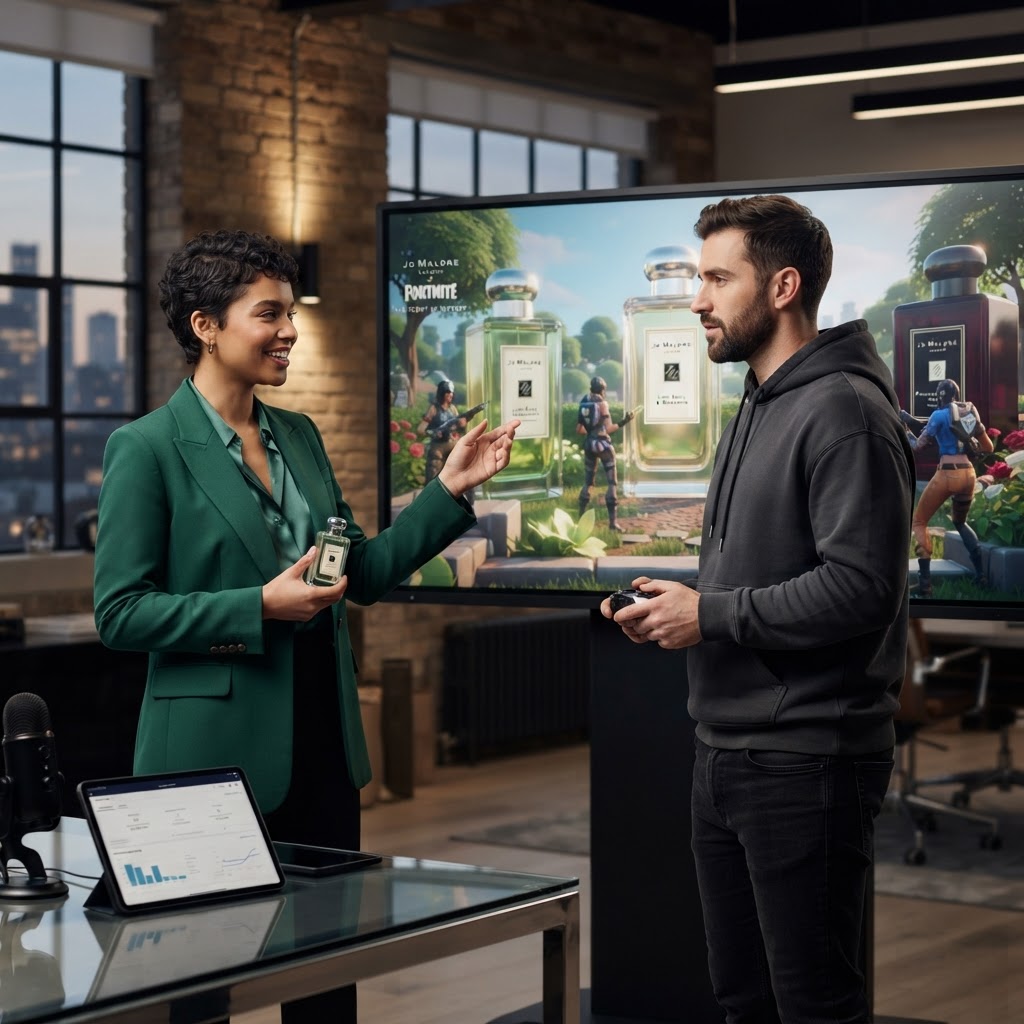

Interactive content is becoming easier to produce at the same time that passive brand formats are becoming easier to ignore. Prompt-driven game creation brings those trends together: teams can move from a campaign idea to a playable prototype without treating every experiment as a full software project.
See also: expert resource
The strategic asset is the loop, not the game
A lightweight game can attract attention, but its value grows when creation, sharing and replay are connected. A participant can try an experience, challenge someone else, publish a variation or follow the next release. That sequence creates more than reach. It creates an observable loop of participation.
For marketers, the important unit is therefore not a single branded mini-game. It is a repeatable system for turning a concept into an interaction, learning from behaviour and releasing the next version quickly.
Lower production friction changes campaign economics
Traditional interactive campaigns often require specialist development, long approval cycles and a large commitment before audience response is known. Prompt-built prototypes reduce the cost of reaching the first playable version. Creative teams can test different rules, difficulty levels and visual directions before funding a larger production.
This does not eliminate professional craft. It reallocates it. Developers and designers can spend less time assembling basic experiments and more time on distinctive mechanics, performance, accessibility, data boundaries and the moments that make an experience memorable.
Community features become distribution infrastructure
Shareable links, galleries, ratings, leaderboards and follows turn gameplay into a distribution surface. Each feature creates a reason for a user to return or invite someone else. The strongest concepts can travel through participation rather than depending entirely on paid impressions.
Brands should be careful not to confuse activity with affinity. A high play count may reflect novelty, while repeat sessions, voluntary sharing and completion patterns reveal deeper engagement. Measurement should distinguish exposure, play, creation, remixing and advocacy.
Safety and disclosure must be designed into the format
User-created experiences create moderation and brand-suitability risks. Every public submission needs screening, reporting and clear rules. Branded participation also requires visible disclosure so users understand when an experience is promotional and what data is collected.
Teams should define prohibited mechanics, age boundaries, data retention and escalation paths before launch. A playful interface is not a substitute for consent, and gamification should never hide a commercial action or pressure vulnerable users.
A practical operating model
The most credible approach is a short controlled cycle: define one audience behaviour, prototype several mechanics, test internally, release to a bounded group and expand only after safety and retention signals are clear. The creative brief should describe the loop and the user choice, not just the visual theme.
Prompt-built games will not replace every campaign format. Their advantage is speed to interaction. Used well, they give brands a way to test participatory ideas early and invest further only when the experience earns genuine replay and sharing.